
Overview
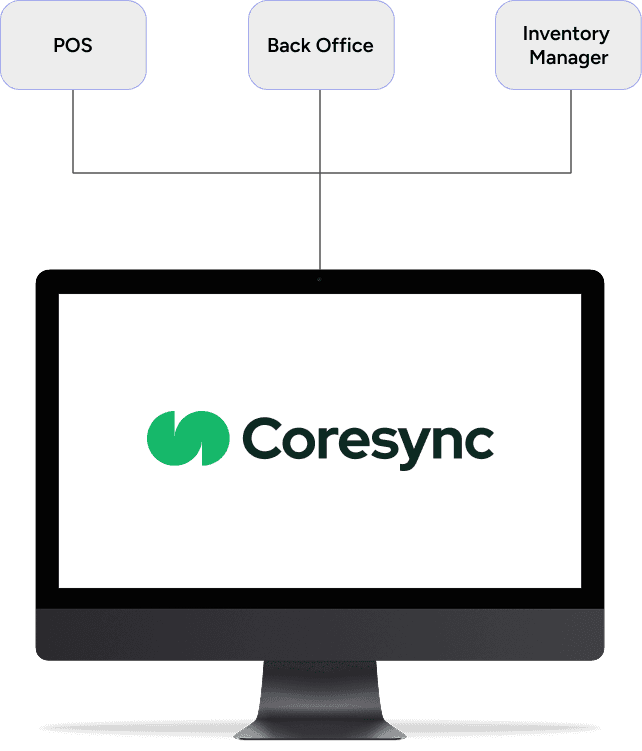
CoreSync is a Unified Commerce platform designed to help small and medium retail businesses manage daily operations with clarity and efficiency. The system unifies POS, inventory, and back-office tools into a single synchronized platform, giving every team member the information they need, in real time. As the Product Designer, I owned the full process: research, competitive analysis, PRD creation, information architecture, user flows, wireframes, and final UI.
Problem
Retail businesses typically rely on multiple disconnected tools to run everyday workflows. A store might use one system for sales, another for inventory, spreadsheets for reports, and manual processes for staff management.
Inventory and sales data never match
01
Staff workflows differ across shifts
02
Reporting is delayed and unreliable
03
Owners lack visibility into true business performance
04
Solution
Coresync is a business management platform designed to help retailers run daily operations with clarity and control. It centralizes inventory tracking, sales insights, and role-based access into a single, intuitive system. By simplifying complex workflows, Coresync enables teams to operate more efficiently and make better-informed decisions. CoreSync brings together three traditionally separate systems into one cohesive platform. I worked on Inventory Manager and Back Office.
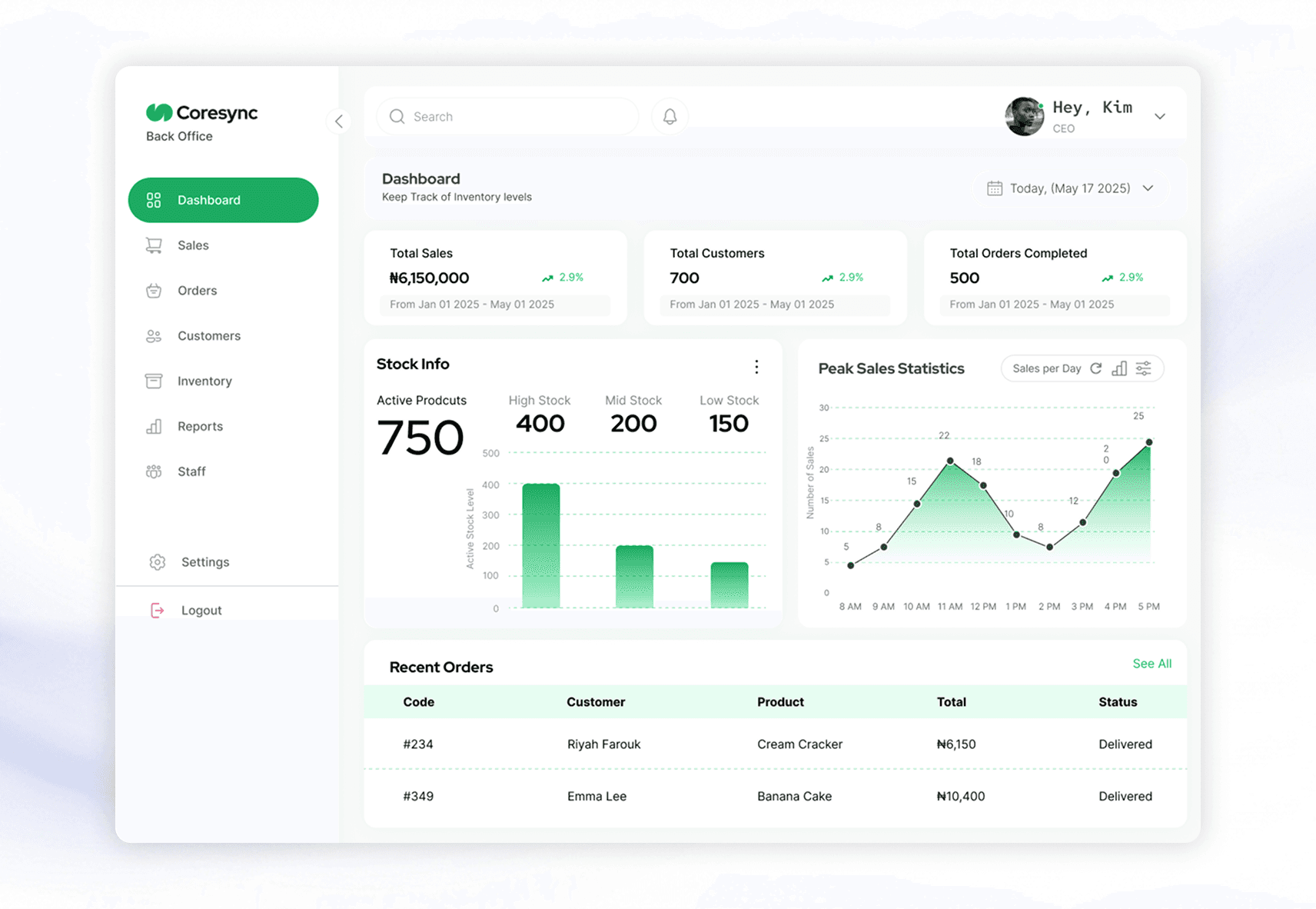
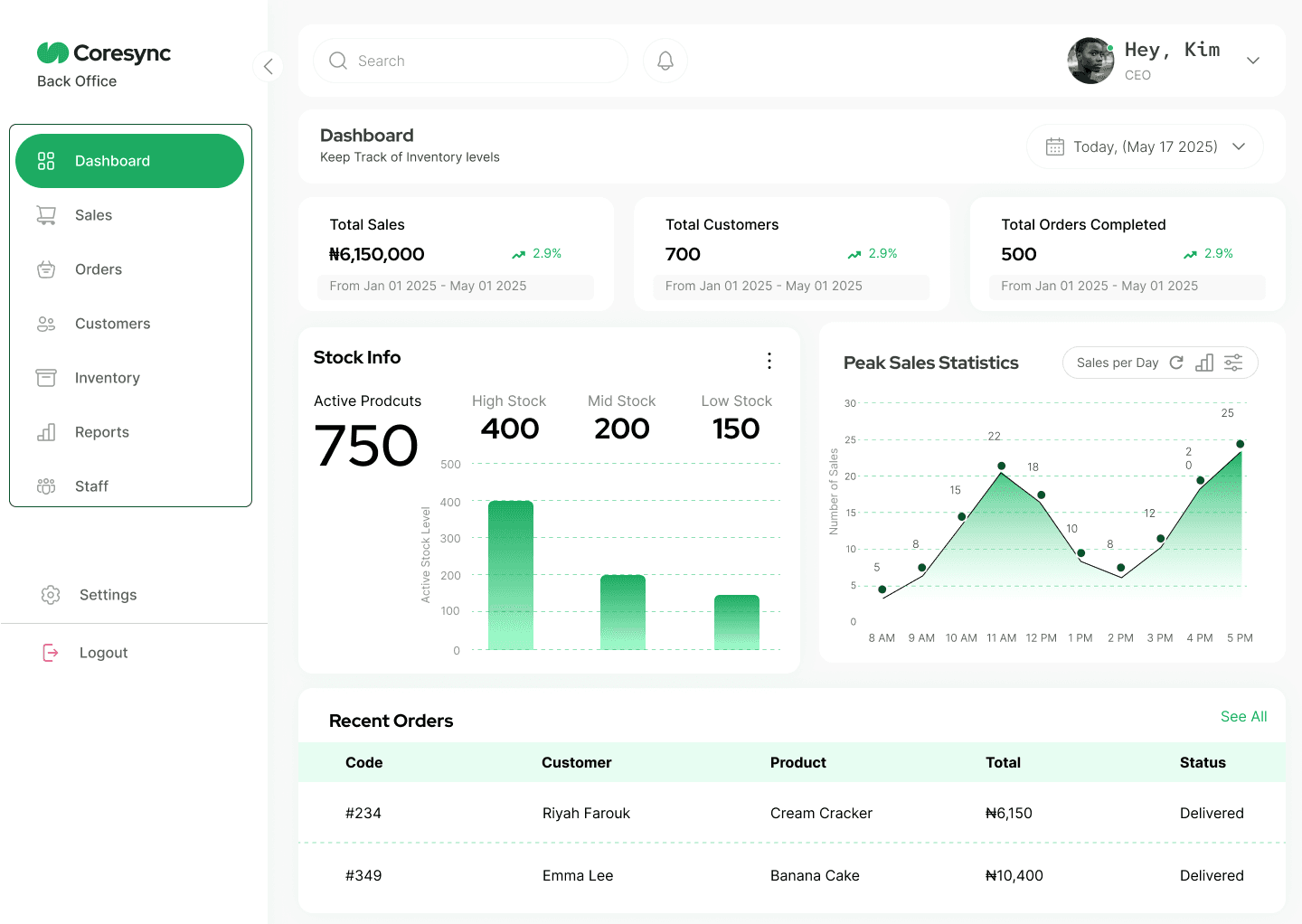
Back Office Dashboard
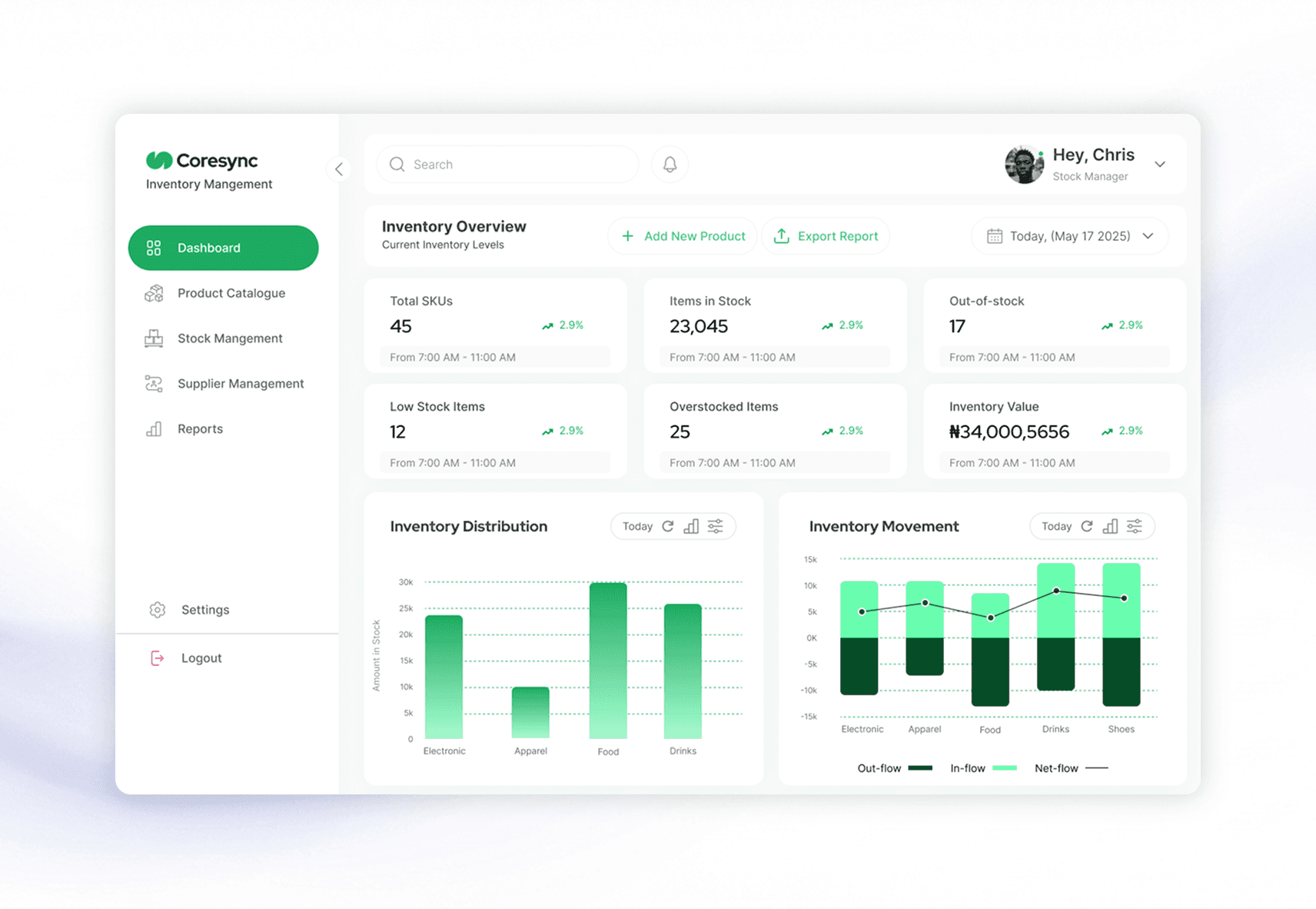
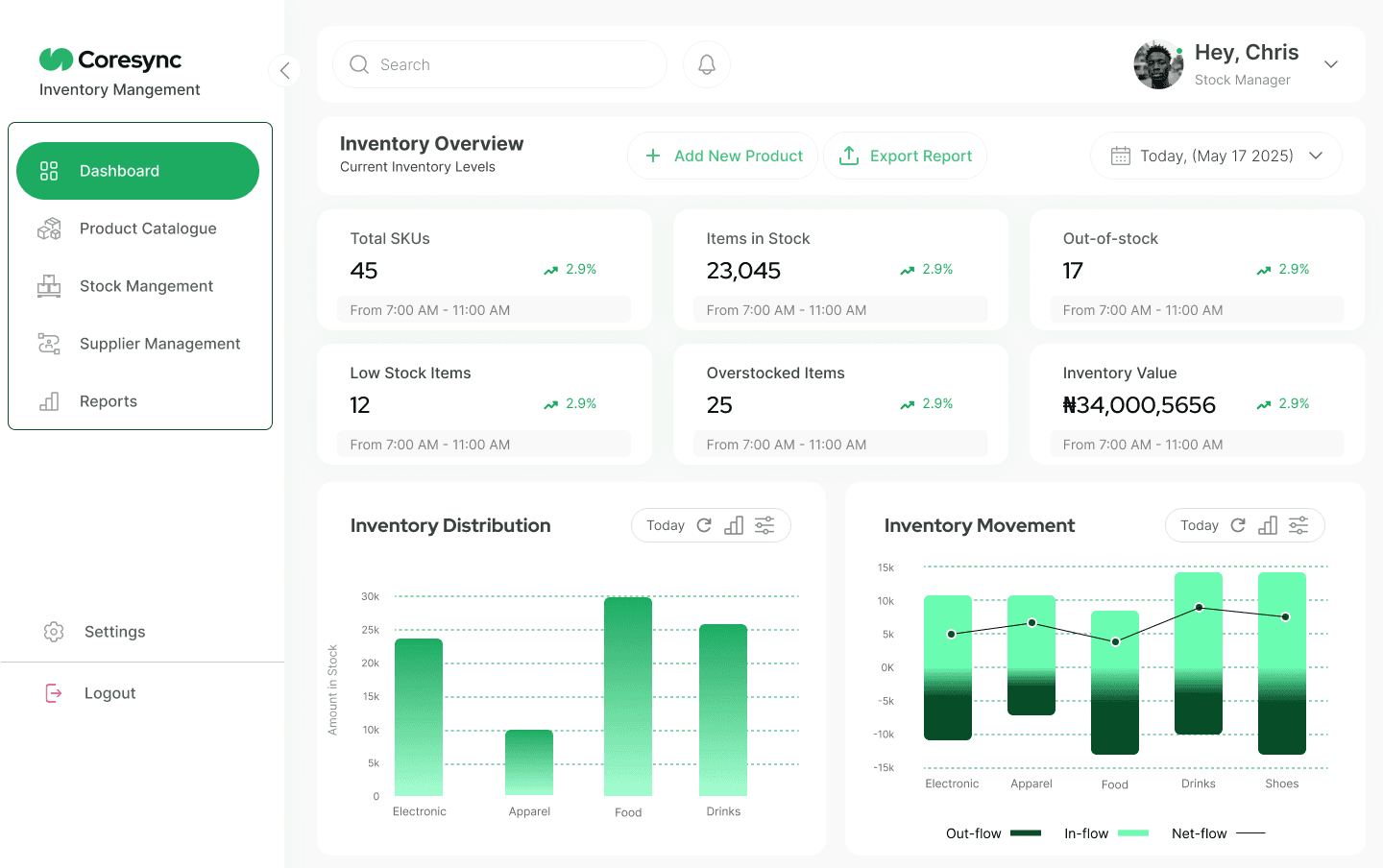
Inventory Management Board
Research Insights
Users described their daily operations as “patchwork,” “unpredictable,” and “too manual.”The challenge was to design a single system that simplifies operations without overwhelming users.
My analysis of many systems used in Nigeria like VirtualRX, TracePOS and POSOS Primo revealed a clear gap: while each tool was strong in isolation, few offered seamless integration across workflows, and offline support was inconsistent. Interviews with owners, cashiers, and stock managers helped surface the core needs that would guide the solution.
Owners
Real-time revenue + clear reports
Fewer tools
Easy exports and staff oversight
Cashiers
Fast, predictable checkout
Simple UI
Offline reliability
Stock Managers
Clear product lists
Bulk editing
Tracking supplier details
Style Guide
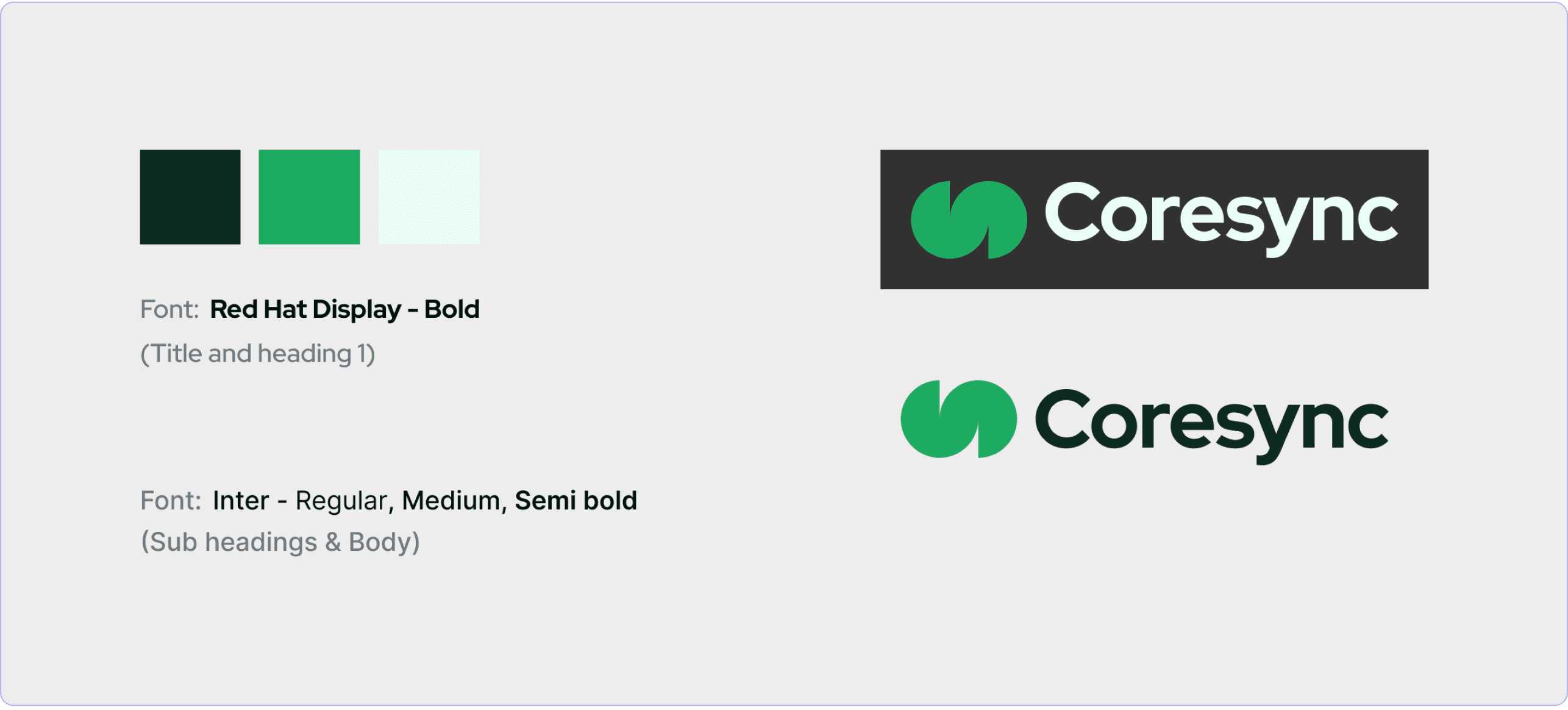
I defined the style guide around functional accent colours, using emerald green to highlight interactive elements and data visualizations. I paired modern, hierarchical typography with bold sans-serif headlines and clean, neutral sans-serif body text, and anchored the system with the Coresync logo featuring an abstract green mark and a bold Red Hat Display wordmark to create a balanced, professional identity suited for a tech-forward SaaS platform.
Design Highlights
CoreSync brings together three traditionally separate systems into a single cohesive platform. I worked on the Inventory Manager and Back Office experiences, focusing on defining and designing the core features that power inventory control, operational visibility, and administrative workflows across both systems.
Role based interfaces
The Inventory Management section includes dedicated tabs and pages that allow managers to monitor their department and make informed decisions that keep operations running smoothly. Key areas include stock management, supplier management, and reporting, all designed to support efficient oversight and control.
I designed the Back Office to give business owners a clear, comprehensive view of their operations, enabling proactive, informed decision making at a strategic level. I intentionally restricted access to staff information to owners and C-level executives, ensuring sensitive data is protected while supporting high-level oversight and accountability.
Scalable Design System
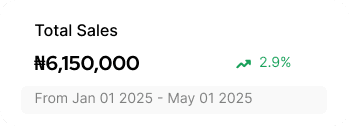
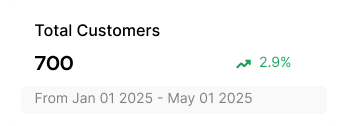
I implemented reusable components across both desktop and tablet to ensure a consistent experience while accelerating design and development efficiency.
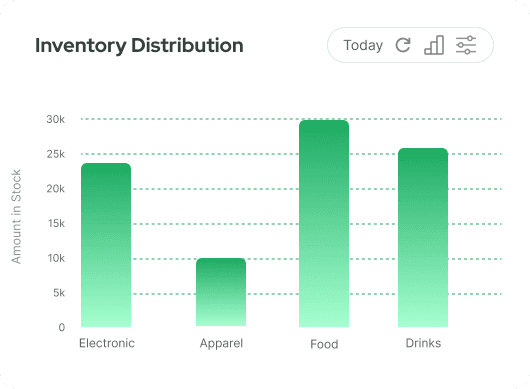
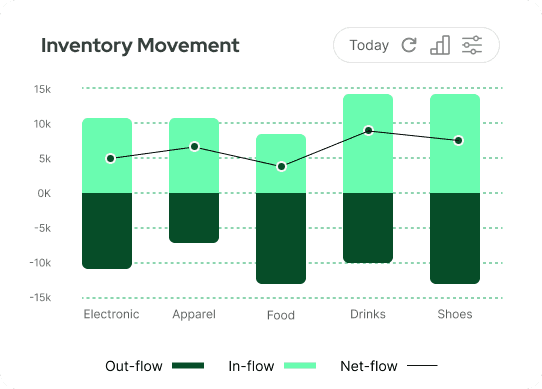
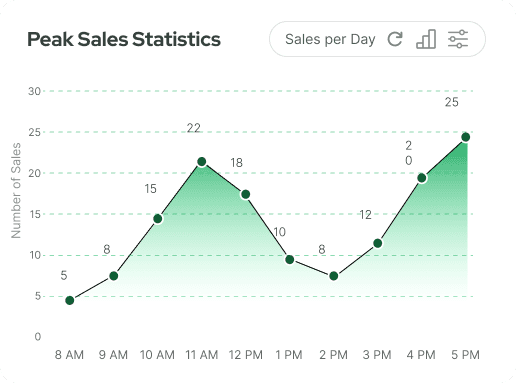
Clean Data Visualization
I positioned clean data visualization as a core pillar of CoreSync’s value by proactively turning complex operational data into clear, actionable insight. By intentionally structuring inventory, sales, and performance metrics with strong hierarchy and clarity, I enabled teams to make faster, more confident decisions while maintaining control over daily operations without unnecessary cognitive load.
Outcome
I streamlined operations by integrating POS, inventory, and reporting into a single system. By focusing the MVP on reducing manual reconciliation, improving stock accuracy, and accelerating checkout experiences, I established an architecture that proactively supports future roadmap features such as multi-store operations, advanced analytics, AI-driven stock forecasting, and supplier order automation.
Reflection
In designing CoreSync, I approached retail operations as interconnected systems, proactively balancing the needs of cashiers, stock managers, and business owners. By writing the PRD first, I translated user frustrations into structured requirements that aligned engineering, design, and business goals from the outset. I simplified complexity without sacrificing capability, creating role-based flows that handled multi-module workflows, real-time synchronization, and offline behavior. This project strengthened my ability to design scalable systems, make research-driven decisions, and deliver cohesive, high-impact products across teams.

Noble Cortex
Web Design, UI Design, UX Design

Altavine
Web Design, UI Design, UX Design

Tricho Afric
Web Design, UI Design, UX Design